 English
 中文简体
 Español
As demand for convenient takeaway drinks, iced coffee, fresh juices, smoothies, and ready-to-serve desserts continues to shape the foodservice market, packaging has become an important part of product presentation and daily operations. For distributors, beverage brands, restaurant chains, and food packaging wholesalers, selecting the right PET Cups involves more than comparing prices. Buyers need to consider transparency, durability, lid compatibility, food-contact requirements, and changing expectations around recyclable packaging. A well-designed cup should protect the product, support an attractive presentation, and fit the practical needs of high-volume foodservice businesses.
1. Transparency and Appearance Matter in Beverage Packaging
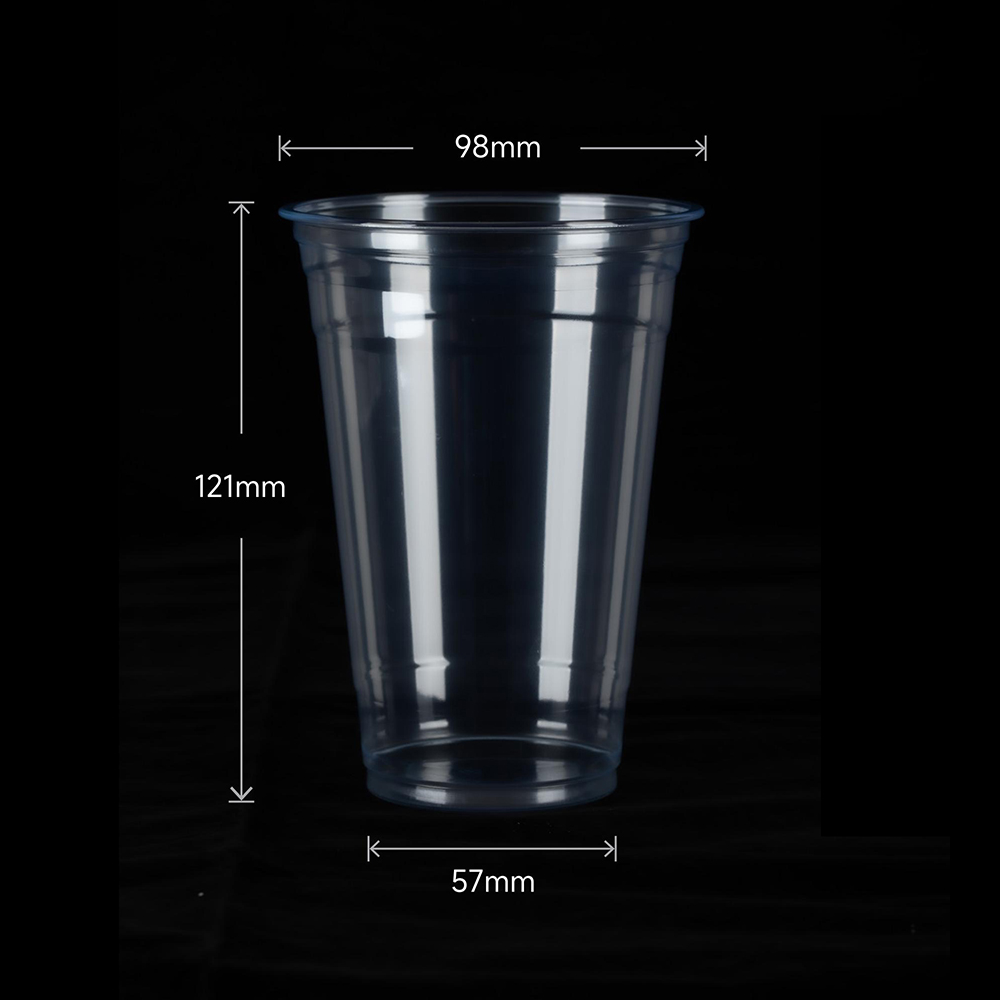
Clear packaging allows customers to see the actual product before purchasing. This is particularly valuable for iced coffee, fruit drinks, milk tea, smoothies, and layered desserts, where color and texture contribute to product appeal.
When evaluating clear plastic cups, buyers should pay attention to:
- Visual clarity: Consistent transparency helps drinks and desserts look appealing on display.
- Surface quality: Smooth, clean surfaces create a more professional appearance.
- Wall consistency: Uniform thickness helps maintain a consistent look across production batches.
For beverage chains and private-label brands, packaging appearance should remain consistent across different product sizes and sales locations. Manufacturers should therefore pay attention to material selection and forming conditions throughout production.
2. Choose the Right Cup Structure for Daily Use
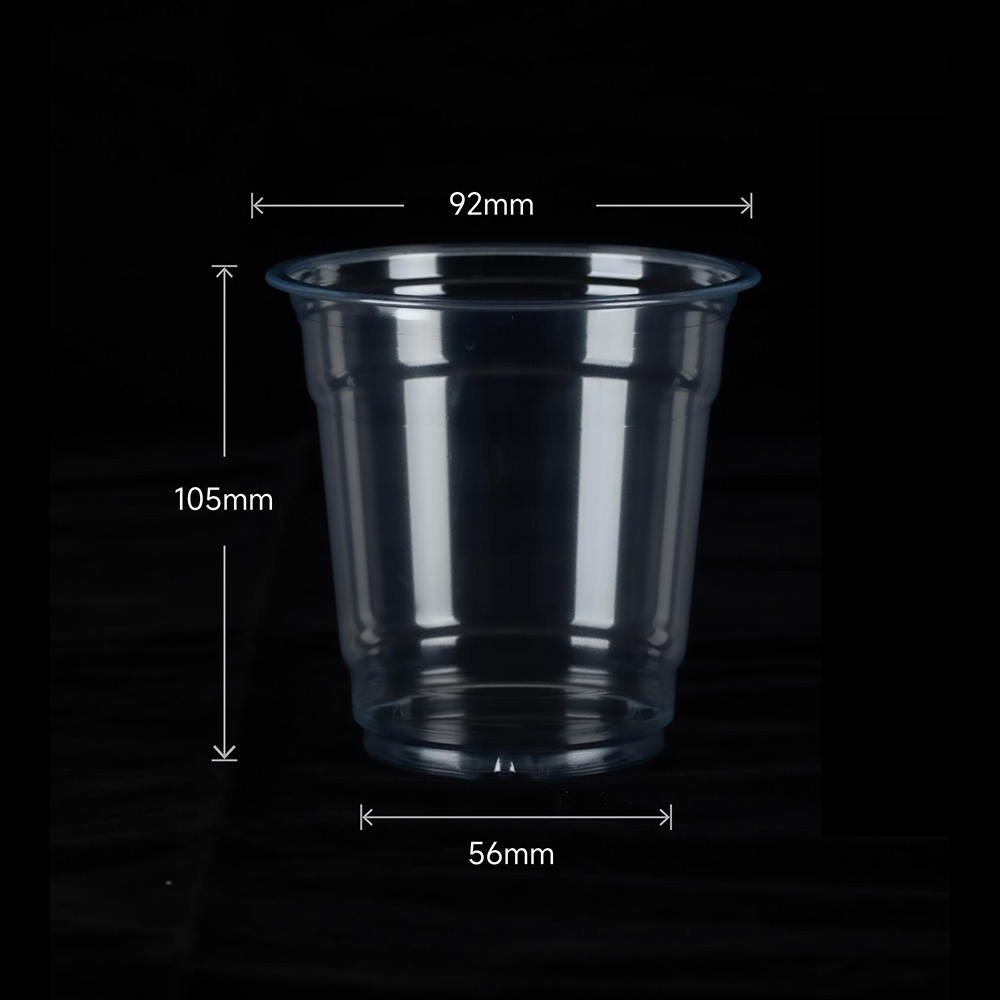
A PET cup used for cold beverages needs to maintain its shape during filling, handling, transportation, and consumption. A cup that is too flexible may become inconvenient to hold, while an unsuitable structure can affect stacking and storage efficiency.
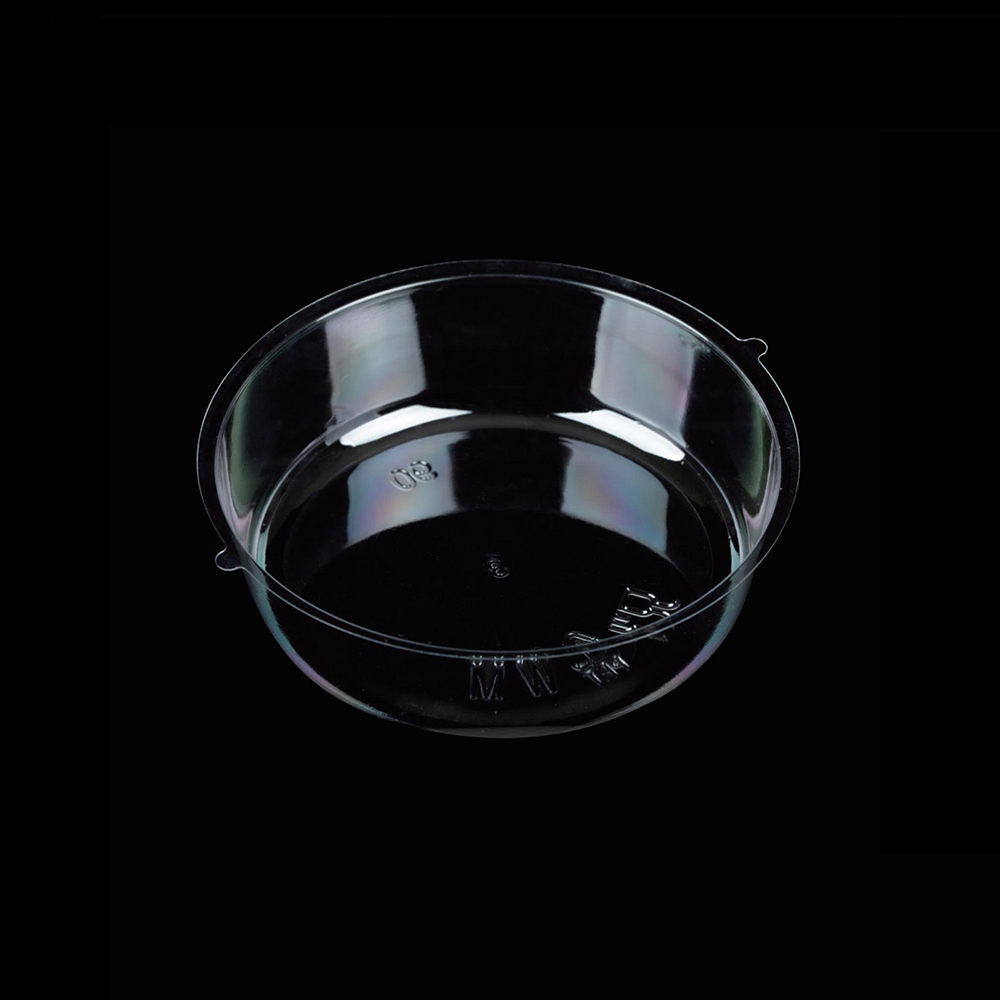
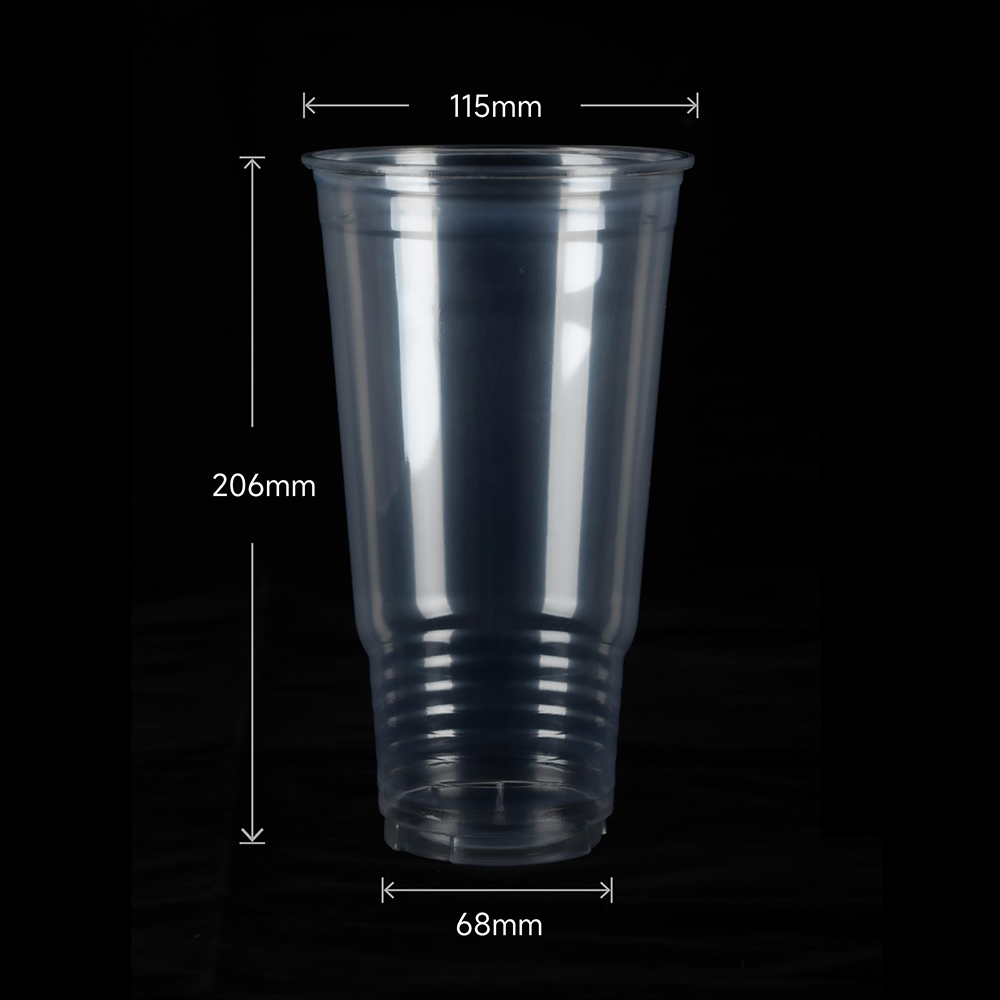
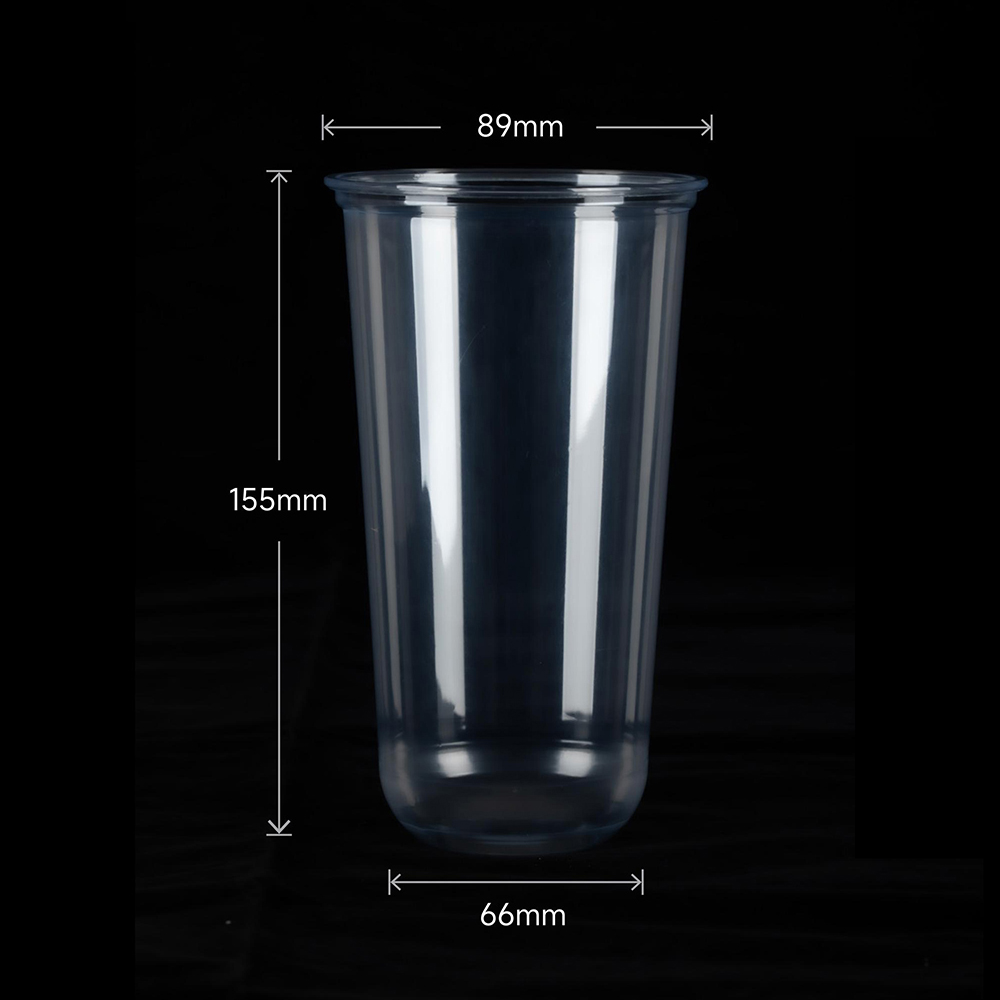
Buyers should evaluate cup capacity, rim design, wall thickness, and overall shape according to the intended application. For example, a takeaway juice shop may prioritize convenient handling, while a dessert supplier may need a wider opening for easier filling and product access.
From a manufacturing perspective, stable forming conditions and consistent quality inspection are important for reducing variations between batches. Buyers should request samples and assess the cups under their actual filling and handling conditions before placing large-volume orders.
3. Check Lid Compatibility Before Bulk Purchasing
A suitable lid is just as important as the cup itself. Poor compatibility can lead to leakage, loose fitting, or difficulties during takeaway service.
Before confirming an order, purchasing teams should check:
- Whether the lid diameter matches the cup rim.
- Whether the lid fits securely during normal handling.
- Whether the opening design suits straws or direct drinking.
- Whether cups and lids can be stacked and stored efficiently.
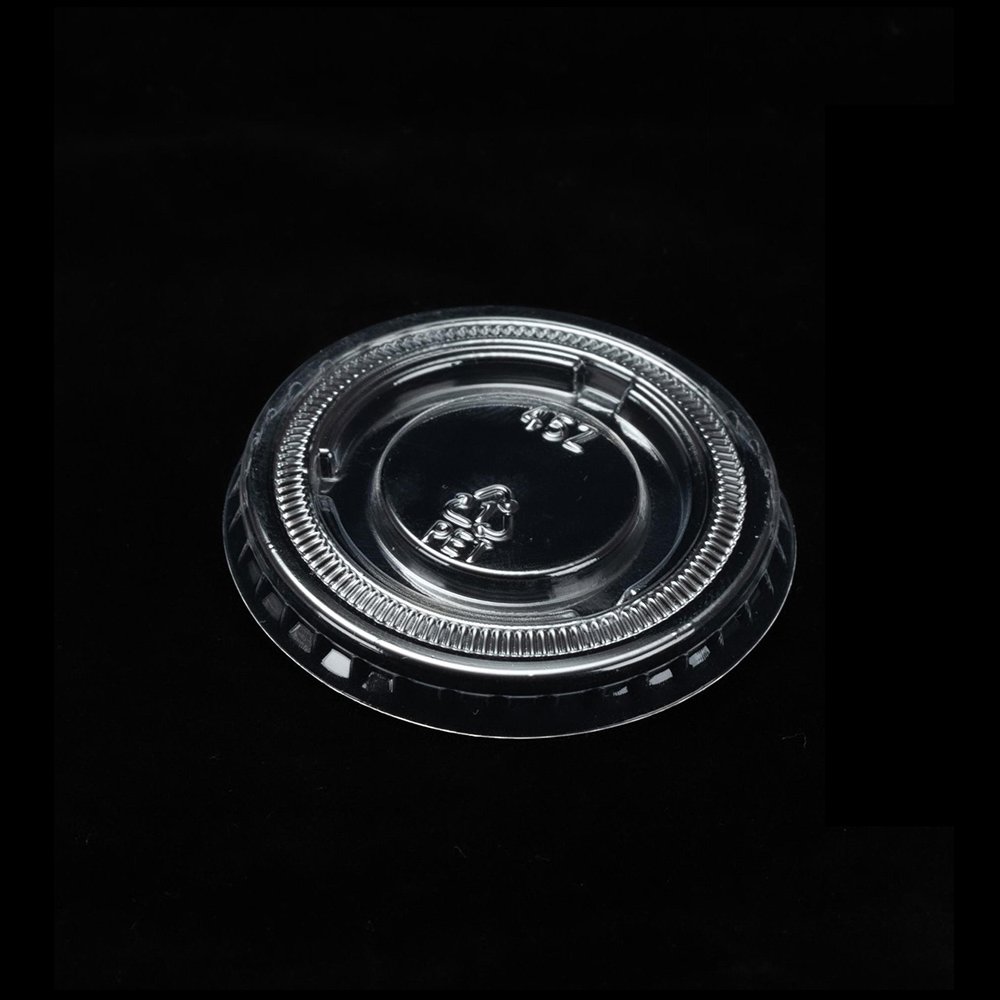
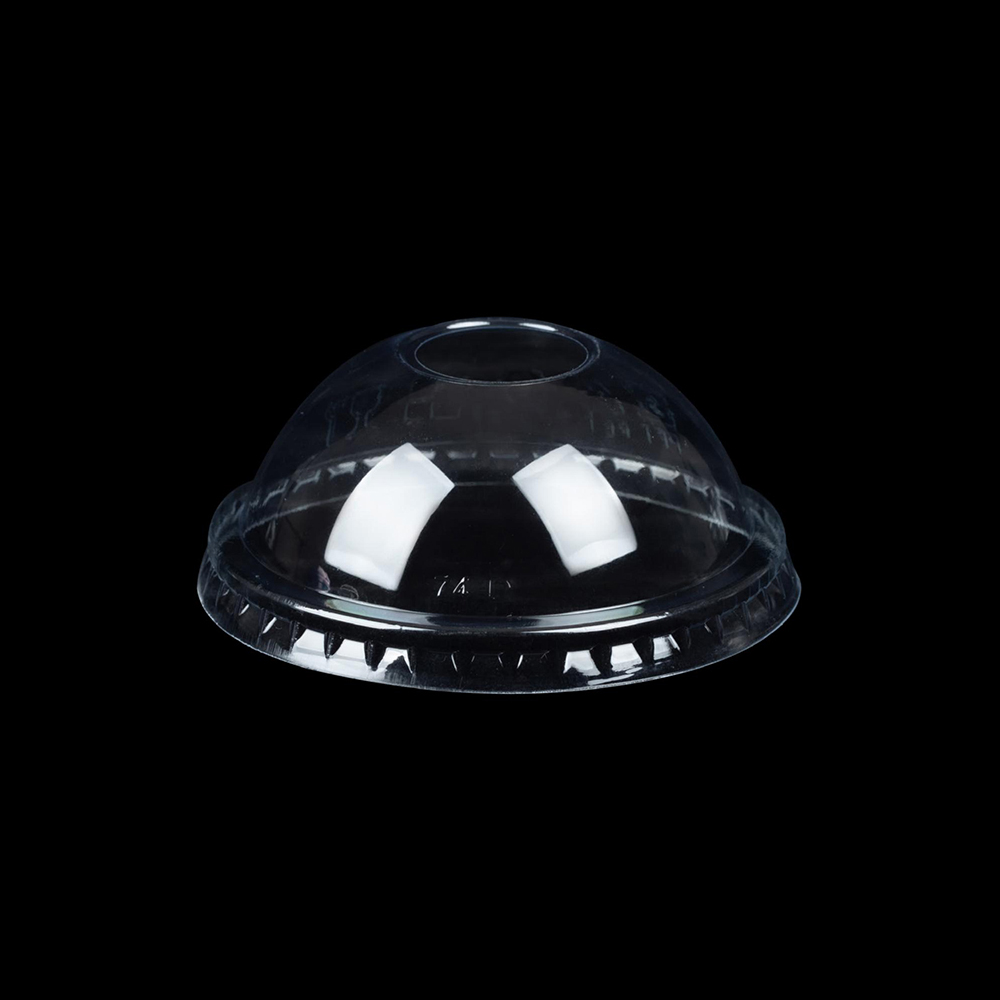
Different applications may require flat lids, dome lids, or straw-compatible designs. Confirming the complete cup-and-lid combination during sampling can help avoid unnecessary adjustments after mass production begins.
4. Understand Food-Contact Requirements in Target Markets
Food packaging regulations vary between countries and regions. Importers and distributors should understand the applicable food-contact requirements before selecting a supplier.
For businesses selling into the European Union, the Packaging and Packaging Waste Regulation (PPWR) began applying on August 12, 2026. It introduces a broader framework covering packaging design, recyclability, waste prevention, and material use. Food-contact packaging is also subject to restrictions on PFAS above specified limits.
For PET cup buyers, practical steps include:
- Requesting relevant material and food-contact documentation.
- Checking whether supplied products meet the requirements of the destination market.
- Confirming that supporting documents correspond to the actual material and product.
- Keeping product specifications and compliance records available for import and distribution processes.
Working with a manufacturer that understands export documentation can make supplier evaluation and purchasing coordination more straightforward.
5. Consider Recycled Materials and Packaging Sustainability
Recycled PET (rPET) is receiving increased attention in foodservice packaging. Recent market developments, including the introduction of cold cups made with 100% recycled PET, show that suppliers and brands are exploring ways to increase recycled content while retaining transparency and functional performance.
However, recycled content alone does not tell buyers everything they need to know. Material traceability, food-contact suitability, visual consistency, and supply stability also deserve attention.
Purchasers should discuss the following with potential suppliers:
- Whether rPET options are available for the intended application.
- Whether the material has appropriate food-contact approvals.
- How recycled material content is documented.
- Whether the required appearance and performance can be maintained.
The right choice depends on local regulations, customer expectations, and the actual capabilities of the supply chain.
6. Evaluate Manufacturing Consistency and Bulk Supply Capacity
For wholesalers and large foodservice operators, a reliable supplier needs to deliver consistent products across repeated orders. Differences in cup dimensions, rim shape, transparency, or packaging methods can create problems during storage, distribution, and daily use.
When assessing a PET cup manufacturer, buyers should look beyond the initial quotation. Production quality controls, sample approval procedures, order communication, packaging arrangements, and lead-time management all deserve attention.
A clear purchasing process should include product specification confirmation, sample evaluation, order approval, production inspection, and final packaging checks. These steps help both parties understand quality expectations before shipment.
7. Match Cup Specifications to Your Business Model
There is no single PET cup specification suitable for every business. Coffee chains, juice distributors, dessert brands, and catering suppliers have different requirements regarding capacity, shape, lid style, printing, and order quantities.
Before requesting a quotation, prepare a clear product brief covering:
- Intended beverage or food application.
- Required capacities and dimensions.
- Preferred cup and lid styles.
- Printing or private-label requirements.
- Estimated order quantity and destination market.
As a PET cup manufacturer, we believe good packaging starts with understanding how the product will actually be used. By evaluating material quality, functional design, regulatory requirements, and supply consistency together, buyers can make more informed sourcing decisions. Whether you are developing a new beverage line or expanding an existing distribution business, selecting the right PET Cups can help improve packaging presentation, streamline daily operations, and support long-term cooperation with your packaging supplier.